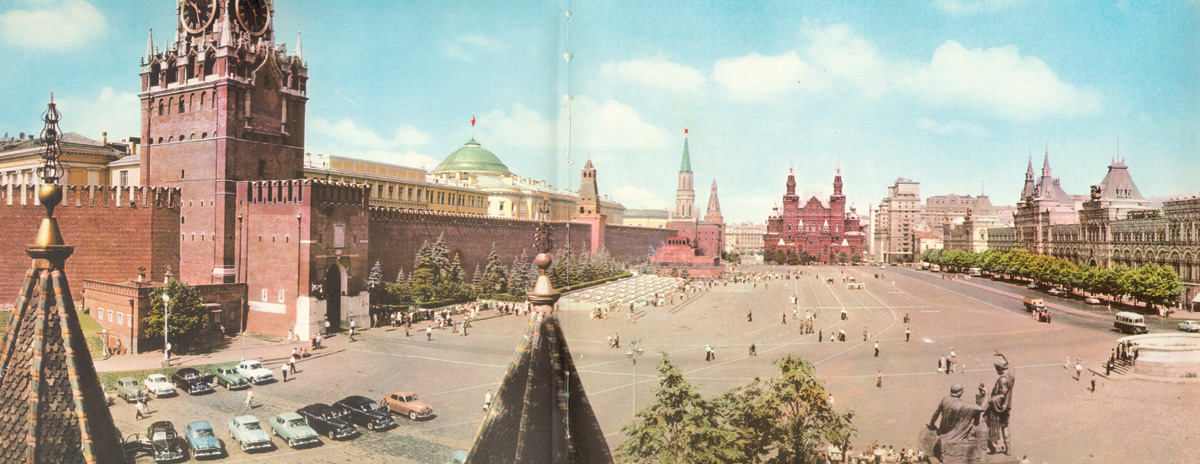
Life In The USSR
FAQ
Is the USSR Russia?
A: No its not.
The USSR was a different country with 15 Republics. Russia has a religion. The USSR does not.
Did the Soviets have food?
A: It depends what time frame.
1930-1945 they did not have food because of war. 1960 to 1989 They had food in big cities. families had drive from villages to buy food.
Did the Soviets have free housing?
A: Yes & No.
In the USSR you had to apply for housing and you have to have a job.
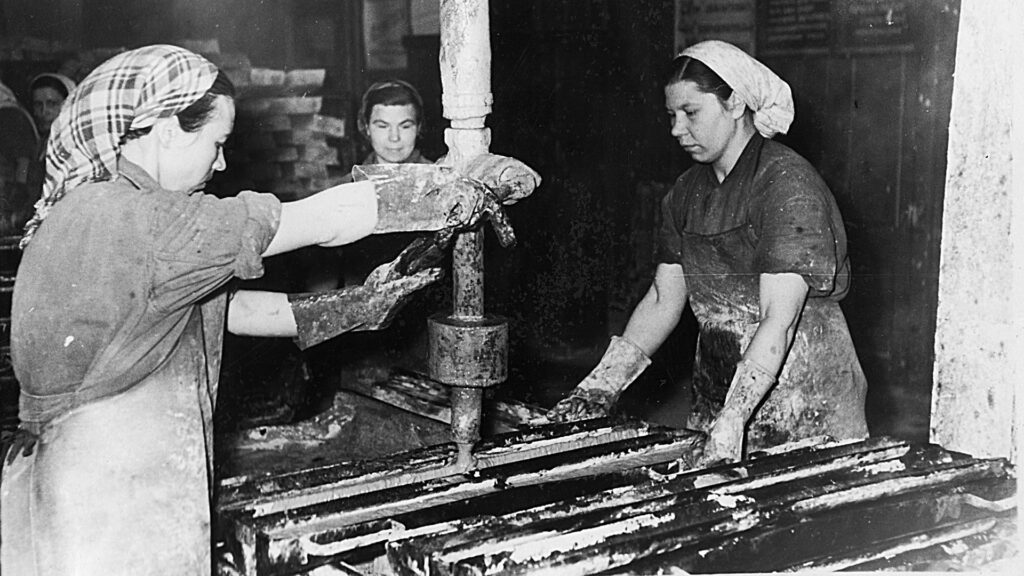
The USSR made equal gender rights and formal equality mandatory under the law for men and women The USSR also introduced quotas for women in all social and political institutions, including schools, the government, parliament, and the Soviet Army.
Conscription and The soviet man
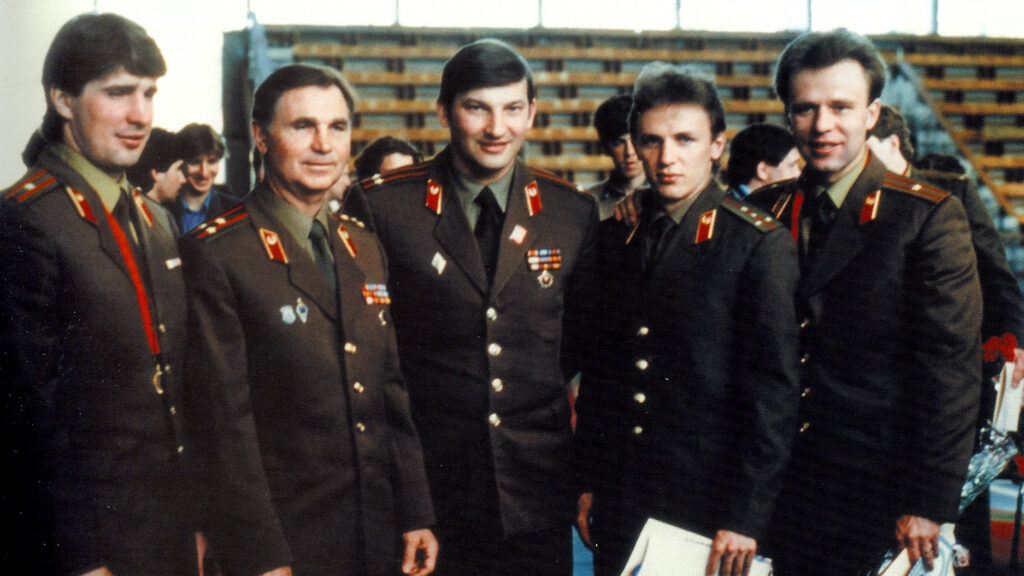
The Soviet Union used conscription to strengthen the Red Army’s forces almost immediately after the Bolshevik Revolution in 1917. Conscription remained a constant feature of the Soviet state until its dissolution in 1991.
Soviet Housing
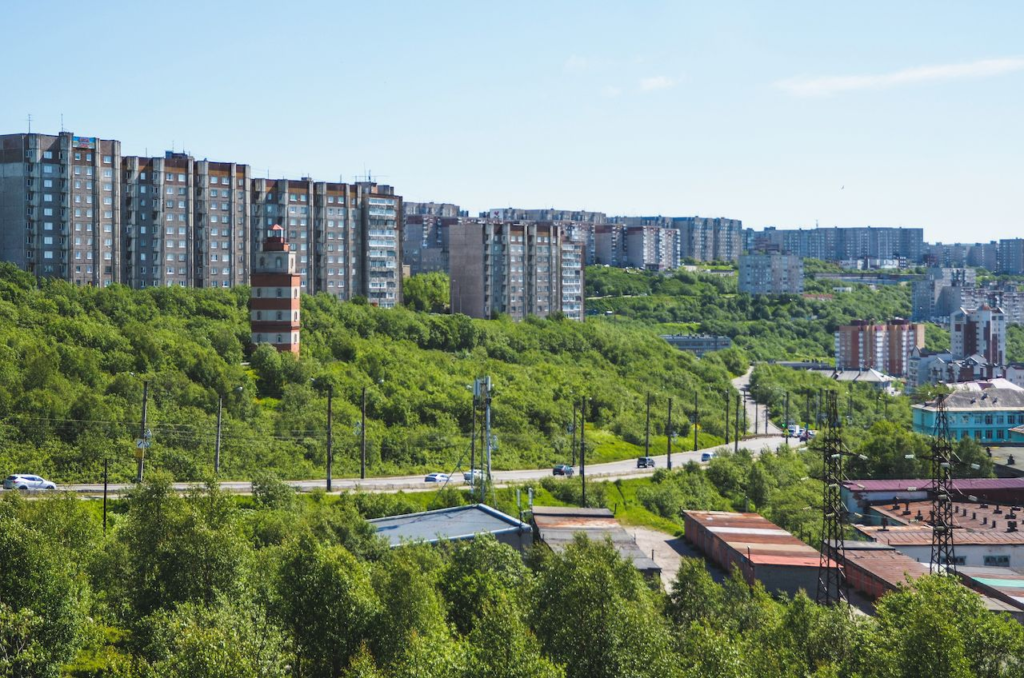
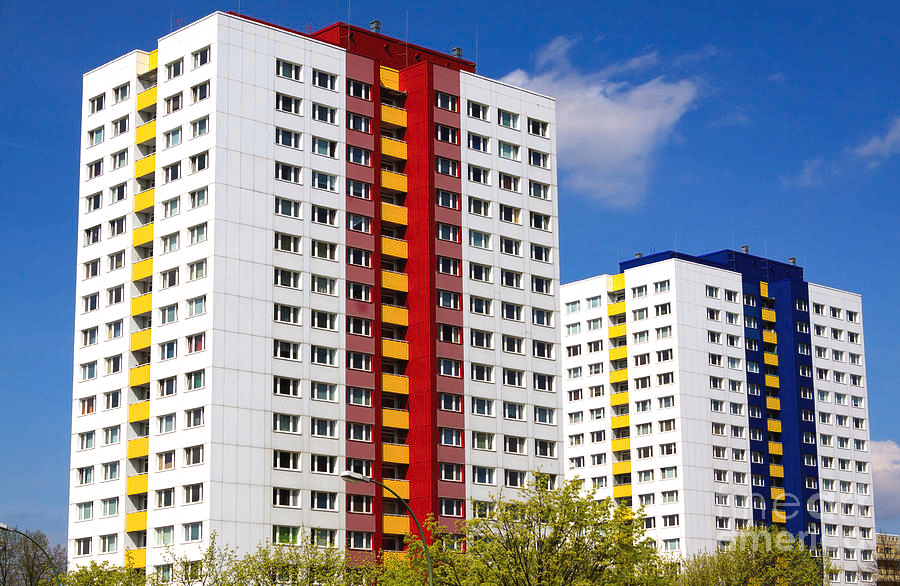
In the USSR, especially from the 1950s to the 1980s, they built many apartment buildings that all looked quite similar. This was because they used a lot of the same designs and materials to speed up the construction process and keep costs low. These buildings were often made with prefabricated concrete panels, which are like giant puzzle pieces that fit together to create a structure.
The government wanted to make sure everyone had a place to live, so they focused more on making lots of homes rather than making each one unique or particularly attractive. As a result, many Soviet homes have a plain, blocky appearance and look quite similar to one another.
Additionally, during the early Soviet years, people often lived in communal apartments where multiple families shared one apartment, which was a way to cope with the severe housing shortages. Over time, they built more private apartments, but the overall look remained quite uniform due to the design and construction methods used.
Buying A Car In The USSR
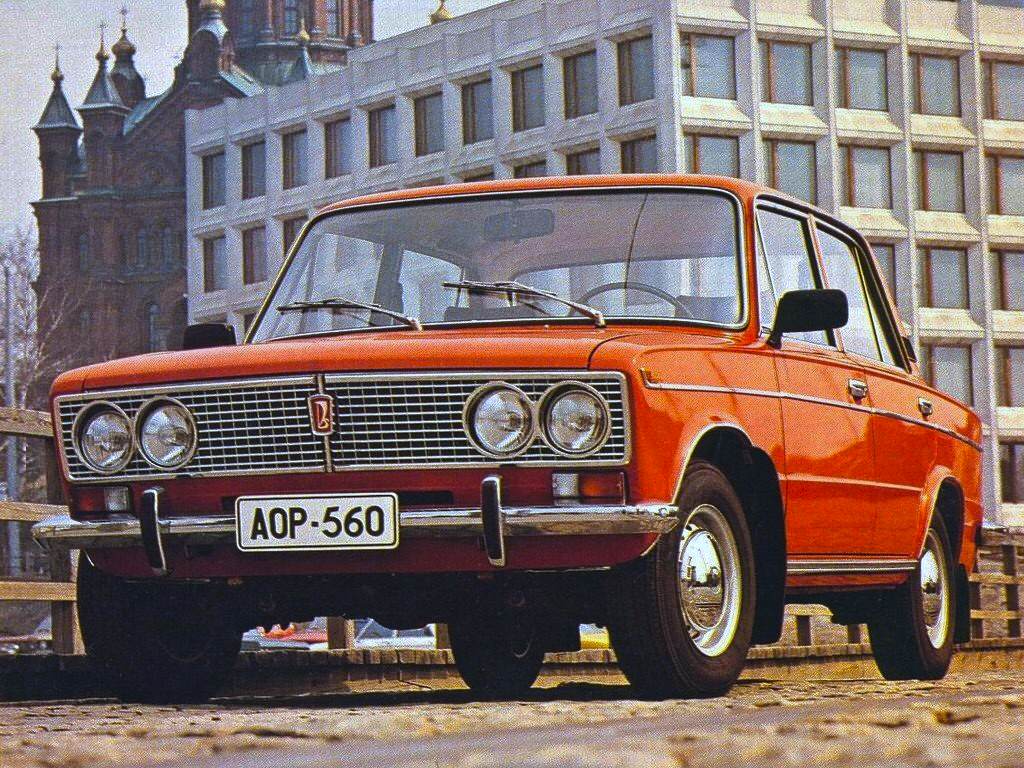
In the USSR, getting a car wasn’t as straightforward as just going to a dealership. First, there was a long wait because there were fewer cars available than people wanting them. You might have to wait several years to get one.
Cars were mostly produced by state-run factories, and there weren’t many different models to choose from. Most cars were simple and practical, built more for function than for style.
If you wanted to buy a car, you often needed to get permission from the government or party officials, especially for more luxurious models. The process involved a lot of paperwork and approvals.
Even though cars were expensive, the government sometimes helped by keeping prices lower. But because of the high demand and long waits, having a car was still considered a big deal and a sign of success.
Maintaining a car was also tricky. Finding parts and getting repairs could be difficult because everything was controlled by the state and services were not always reliable.
So, in short, owning a car in the Soviet Union was a major achievement, involving a lot of waiting and bureaucracy, with limited choices and a lot of practical challenges.