Cold war Conflicts
The Soviet’s Vietnam.
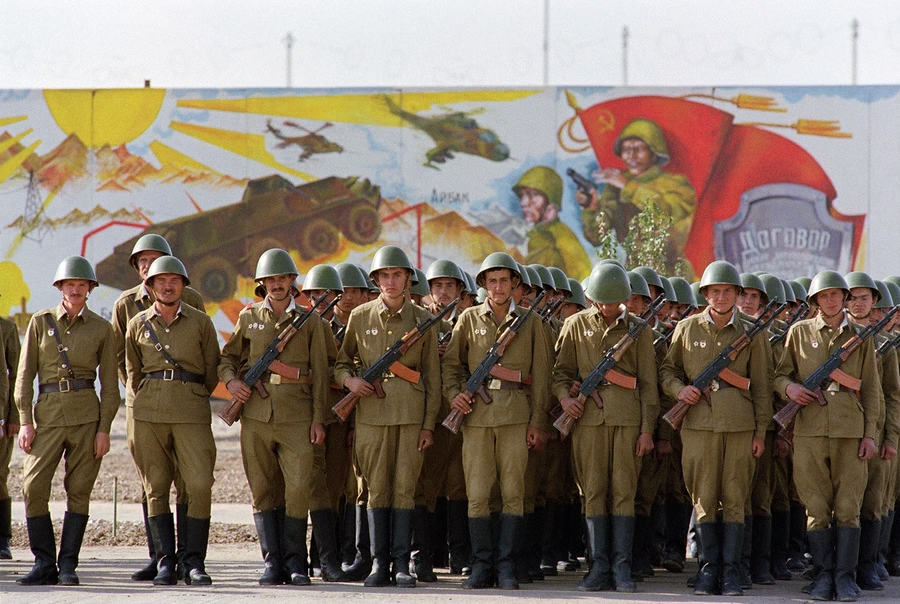
In 1978, a communist government took power in Afghanistan through a coup. This new government, known as the People’s Democratic Party of Afghanistan (PDPA), was deeply influenced by Soviet ideology and sought to implement rapid and radical reforms. However, these changes faced strong resistance from various Afghan factions, including tribal leaders and religious groups.
Soviet Involvement
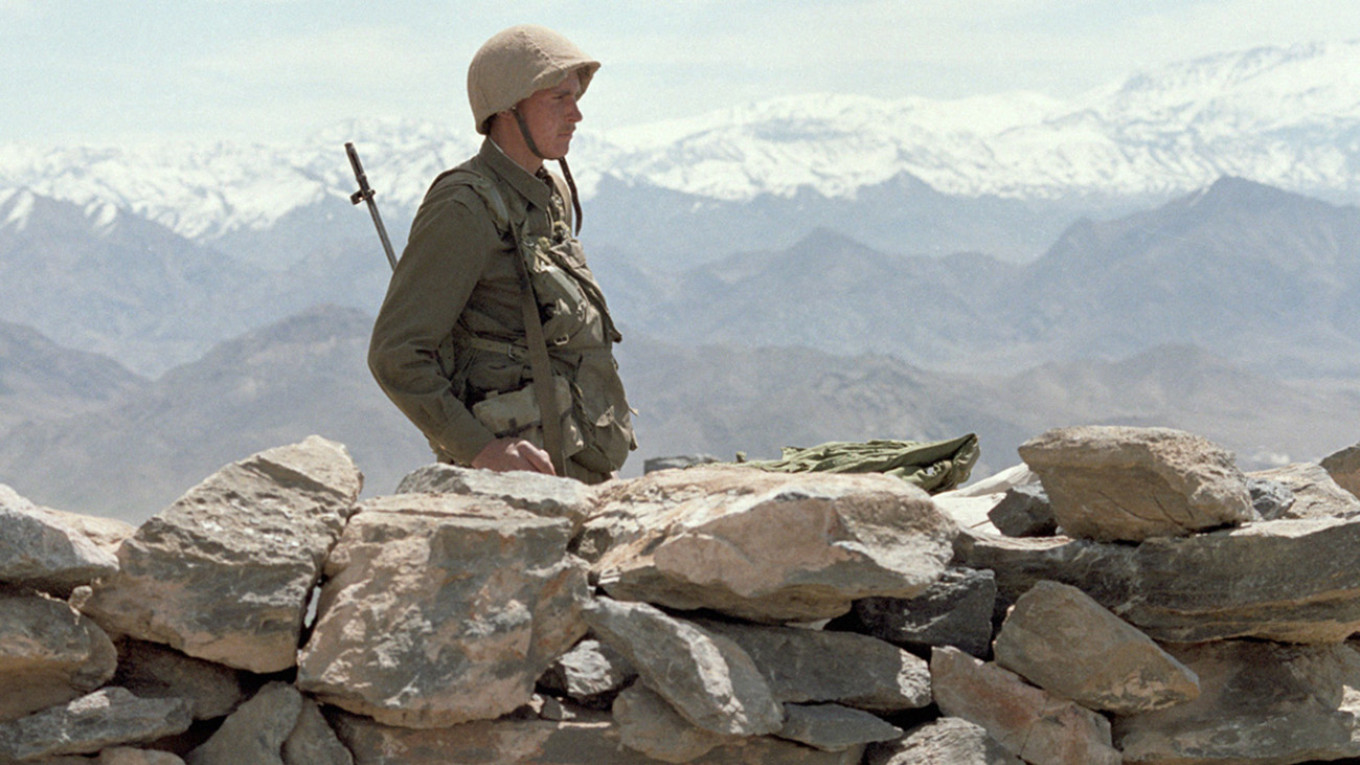
By late 1979, the situation in Afghanistan was increasingly unstable, and the Soviet Union, concerned about the potential for the country to fall into chaos or be overtaken by Islamist forces, decided to intervene. On December 24, 1979, the Soviet Union launched a military intervention, sending troops into Afghanistan to support the PDPA government against the growing insurgency.
The War.
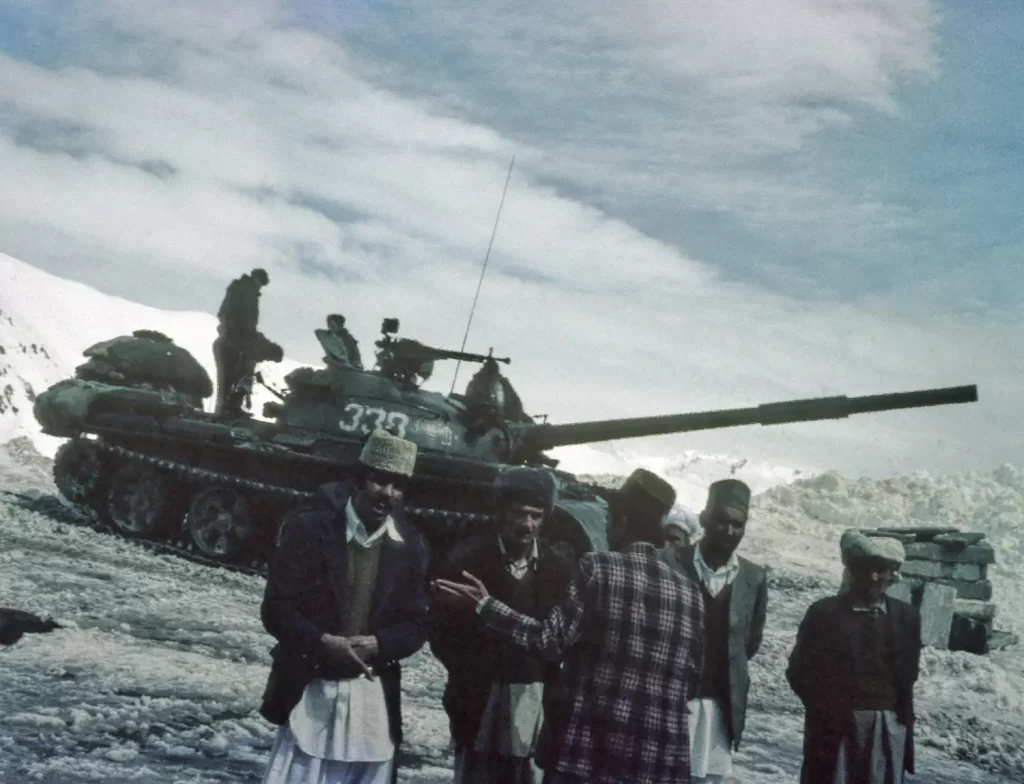
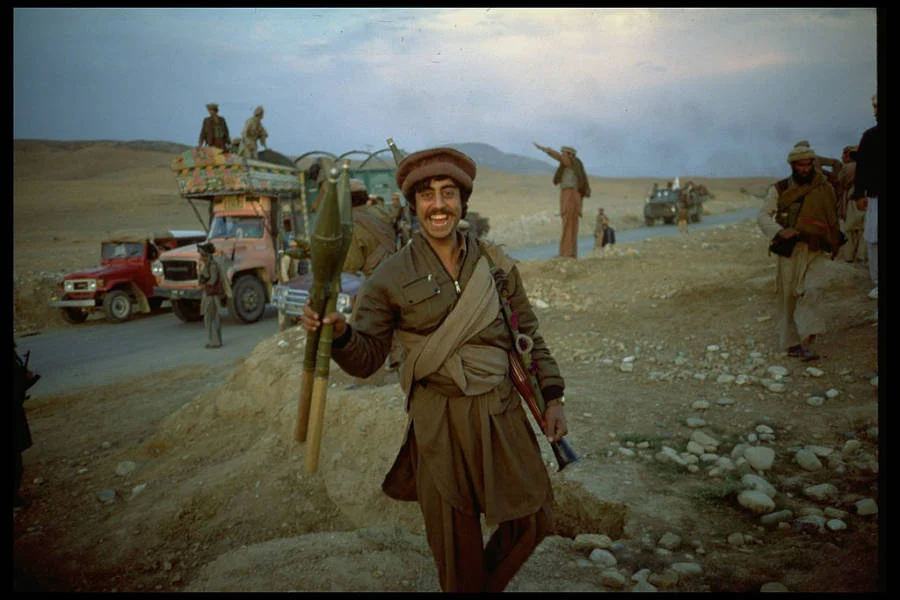
The Soviets sent a large number of troops and military equipment to Afghanistan, expecting a quick victory. However, they encountered fierce resistance from the Mujahideen, a group of Afghan fighters who were determined to drive out the Soviet forces. The Mujahideen received support from various countries, including the United States, Pakistan, and Saudi Arabia, who were opposed to Soviet expansion.
Challenges for the Soviets.
The war was tough for the Soviets due to the rugged terrain of Afghanistan and the guerrilla tactics employed by the Mujahideen. The Soviet forces faced significant casualties and found it hard to control the countryside. The conflict became increasingly unpopular back home in the Soviet Union and was seen as a costly and unwinnable war.
End of the War.
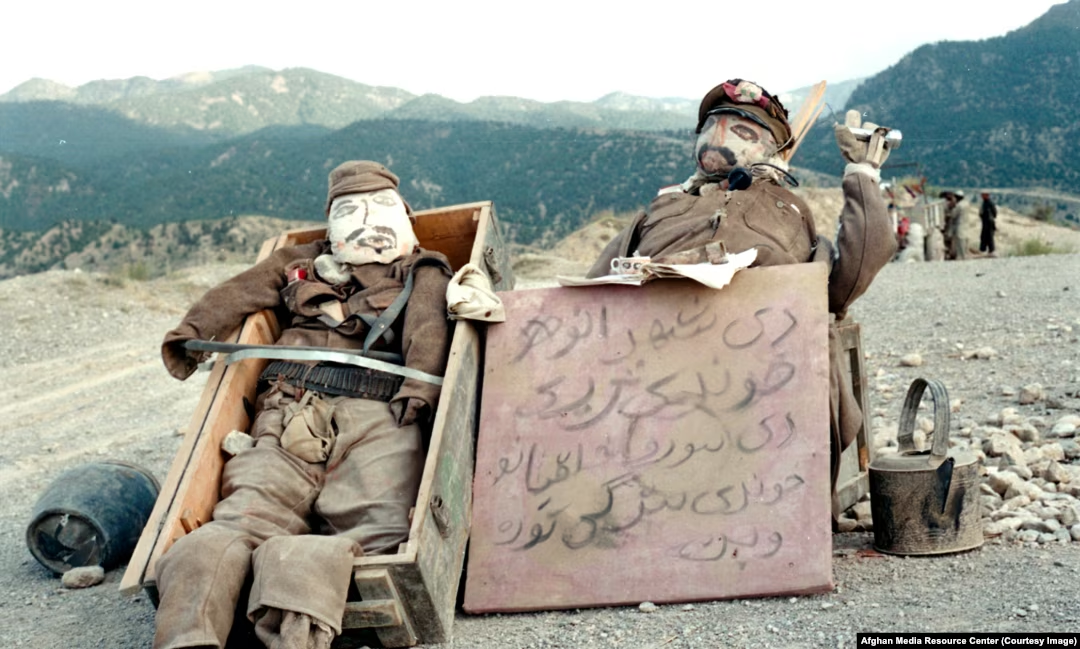
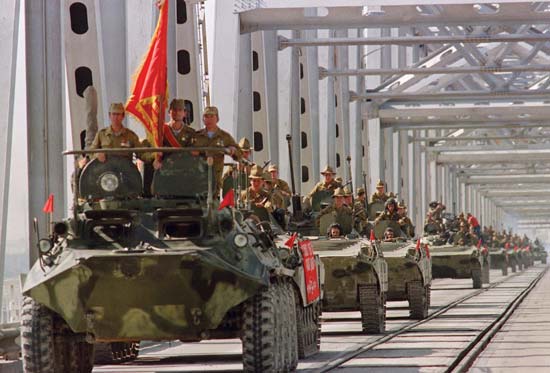
By the late 1980s, the Soviet Union, facing economic strain and political pressures, decided it was time to withdraw. The Soviets began pulling out their troops in 1988, and the last Soviet soldiers left Afghanistan in February 1989.